STEN Director Quoted Extensively in Article Promoting Sewer Thermal Energy
Below is an excerpt of the article written by Brett Walton for www.circleofblue.org
Paul Kohl, Director of STEN, discusses the benefits and challenges of adopting a water-based heat pump system that extracts the heat from sewer lines already running beneath a property to reduce greenhouse gas emissions from buildings...
Great Lakes Wasting Massive Source of Clean Energy
Huge Potential Gains By Using Waste Heat from Sewers, Data Centers & PowerPlants
The energy system in the Great Lakes region, as in most parts of North America, is wasteful. Stupendously wasteful. Consider these data points: Two-thirds of the energy generated by the 2,100-megawatt Pickering Nuclear Generating Station, east of Toronto, comes in the form of heat, not electricity. The excess heat is transferred to cooling water that is dumped into Lake Ontario.
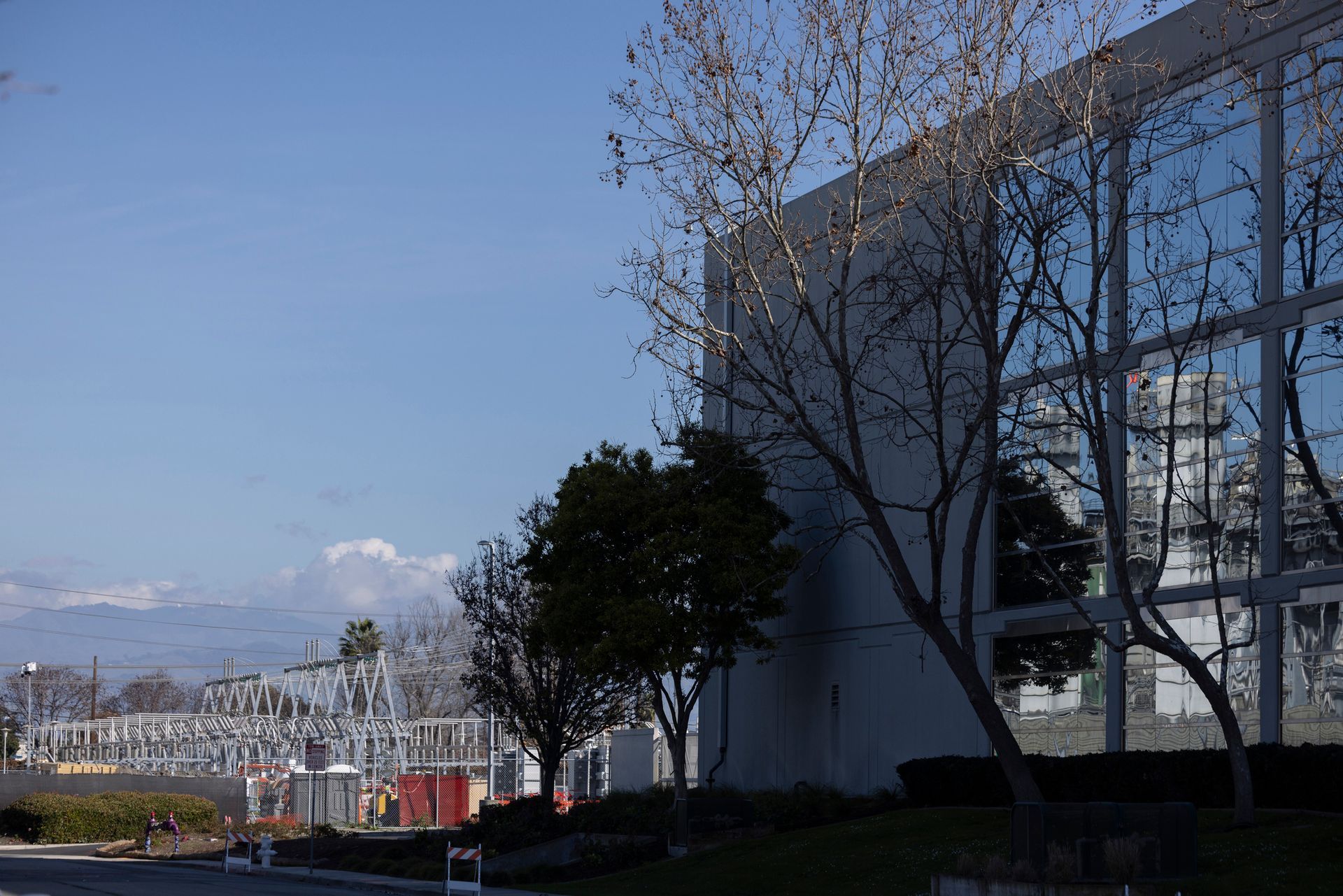
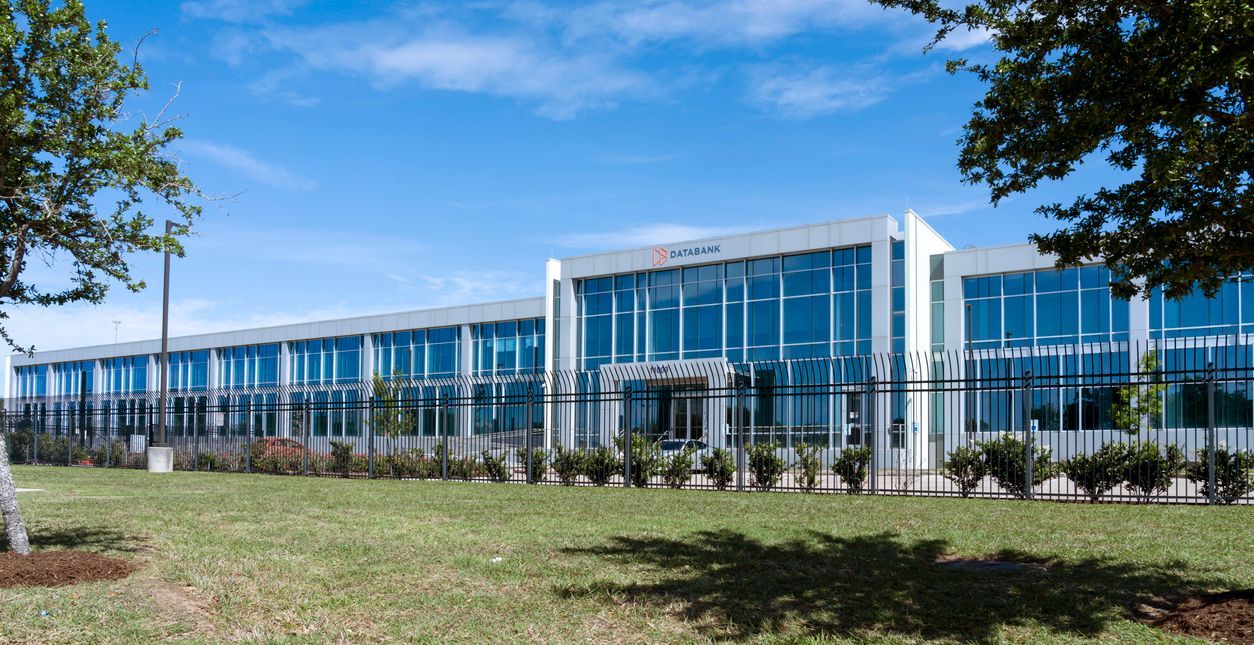
For data centers, a booming, voracious energy user, nearly all the electricity that enters a facility to power servers turns into heat. Ejecting that heat so that the servers continue to support Zoom calls and ChatGPT queries can consume gobs of energy and water. Even underground business and household waste holds wasted energy. Sewage flows in pipes at an average temperature of roughly 60 degrees F, a thermal energy source waiting for an enterprising soul to tap into and extract the heat.
A movement is underway to do just that – mine the region’s power plants, data centers, and sewers for heat and use it to develop cleaner, cheaper energy that helps reduce or remove carbon emissions from heating and cooling. The same practices cut the expense of adding new electric generating capacity.
Such a transformation is certainly possible and has been embraced in northern Europe. But it will not be easy here. Though the physics and equipment for waste-heat recovery are tested and proven, other barriers – financial, organizational, and political – are more formidable hurdles for a region and a country in which energy efficiency is less valued than energy expansion.
READ MORE...